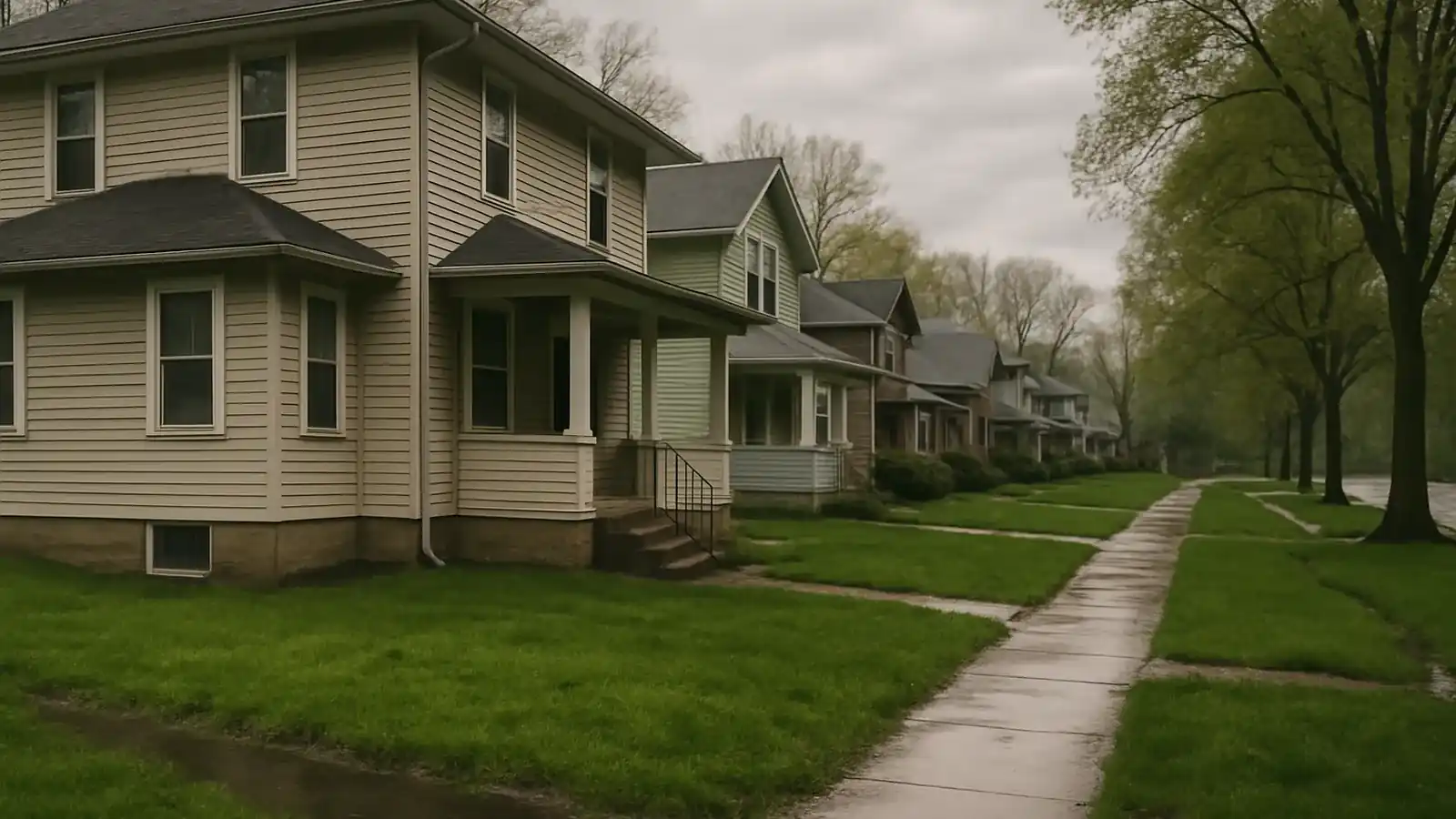
Grabill owners usually pay $2,500–$8,000 for a basement waterproofing system and $2,500–$10,000 for bowing-wall repair; crack work starts around $400. Soaked backfill and winter frost push on these walls, and an evaluation with measurements shows which one is at work.
Older buildings, older foundations, honest construction
Grabill's character comes from age and from the working farm country around it, and its foundations reflect both. A meaningful share of the housing here predates modern basement practice entirely: stone or early block walls, shallow footings, no perimeter drainage because nobody expected a dry basement in 1910. Those foundations get evaluated on their own terms rather than against a modern code checklist they were never built to meet.
The approach that works on this stock is preservation-grade: probe before condemning, keep sound material, match what's there. Stone and early block walls that have stood a century have generally demonstrated they can stand. What they usually need is water managed away from them and the deteriorated mortar addressed, not replacement. Rebuilding a wall that a repointing and a drainage system would have carried for another fifty years is expensive and, on a building like this, a genuine loss.
Farm-country water and buildings that aren't houses
Properties out here often include structures beyond the house: outbuildings, additions attached in different decades, sections that were built on their own footings and have moved independently ever since. Where an addition meets an original structure, separation at the joint is common and frequently misread as a foundation failure when it's two buildings behaving normally as two buildings. The floor survey distinguishes those, and the distinction can be the difference between a repointing bill and a piering bill.
Asked in Grabill
Can a stone foundation be repaired, or does it need replacing?
Almost always repaired. Stone and early block walls that have stood a century have demonstrated they can, and what they typically need is water managed away from them plus deteriorated mortar addressed. A good specialist probes before condemning anything, because rebuilding a wall that repointing would have carried is both expensive and a real loss.
Our addition is separating from the original house. Is the foundation failing?
Often not. Additions built in different decades sit on their own footings and move independently: separation at the joint is two buildings behaving like two buildings. A floor survey distinguishes that from genuine settlement, and the distinction can be the difference between a repointing bill and a piering bill.
My basement has never been dry. Is that fixable now?
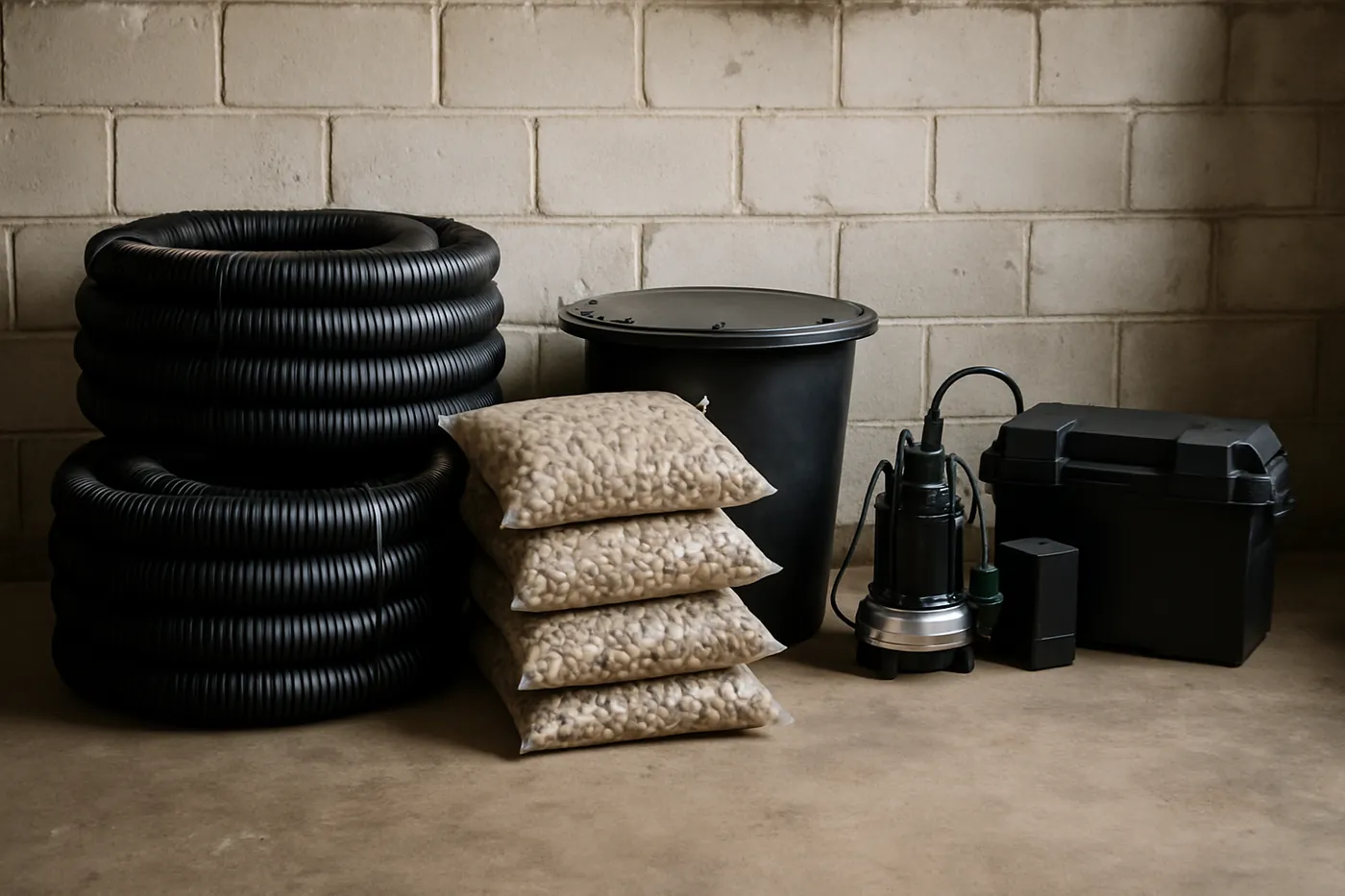
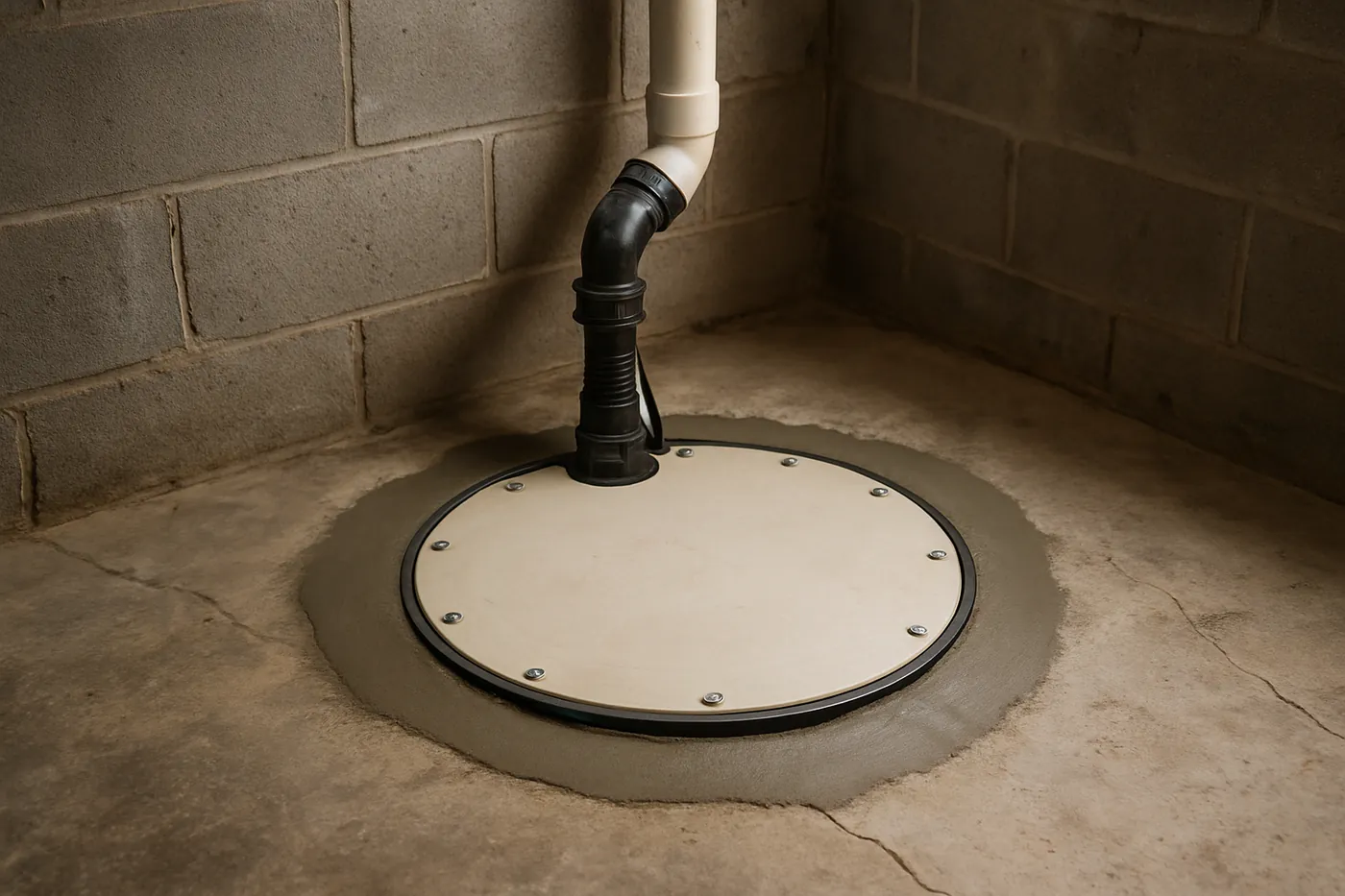
Usually yes. Older buildings here often have no perimeter drainage at all because none was expected when they were built, so there's nothing failing, there's simply nothing installed. Adding an interior system to a building that never had one is straightforward work with a predictable result.
Are outbuildings and non-residential structures covered?
They can be. Barns, shops, and outbuildings on farm properties can be evaluated the same way houses are; ask the specialist whether they take them on. Where the honest answer is that a structure doesn't warrant the repair its condition would require, a good specialist says that plainly.
Grabill's housing, counted
Grabill is a town of about 480 homes in the Census Bureau's 2020-2024 survey, with a median build year of 1977. Some 23% were built before 1940, a quarter in the 1970s and 22% in the 1990s; fewer than 8% are from 2000 or later. About 84% are owner-occupied. The century-old stone and early block foundations described above are close to one home in four here.
Black Creek and the St. Joseph River
USGS runs gauges on Black Creek near Harlan, with records since 2015, and lists sites on the St. Joseph River. Around town, the field-tile and ditch questions raised above apply to houses at the edge of farm ground.
Grabill's own building department
The Town of Grabill runs a Building Permits and Inspections Department at 13717 First Street (260-627-5227). It says it handles permitting for all construction, plus inspections, plan review and certificates of occupancy. Ask that office what a foundation or basement wall repair requires.
Drop a plumb line, mark and date any crack, then schedule the evaluation. Costs are itemized in the cost guide; nearby communities are under service areas.
Get a Fort Wayne foundation evaluation
Tell us what the basement is doing: water at the cove joint, a wall bowing inward, a horizontal crack in block, floors going out of level, and we'll pass it to one independent local specialist for an evaluation. You get a call back from a local specialist who serves Fort Wayne.