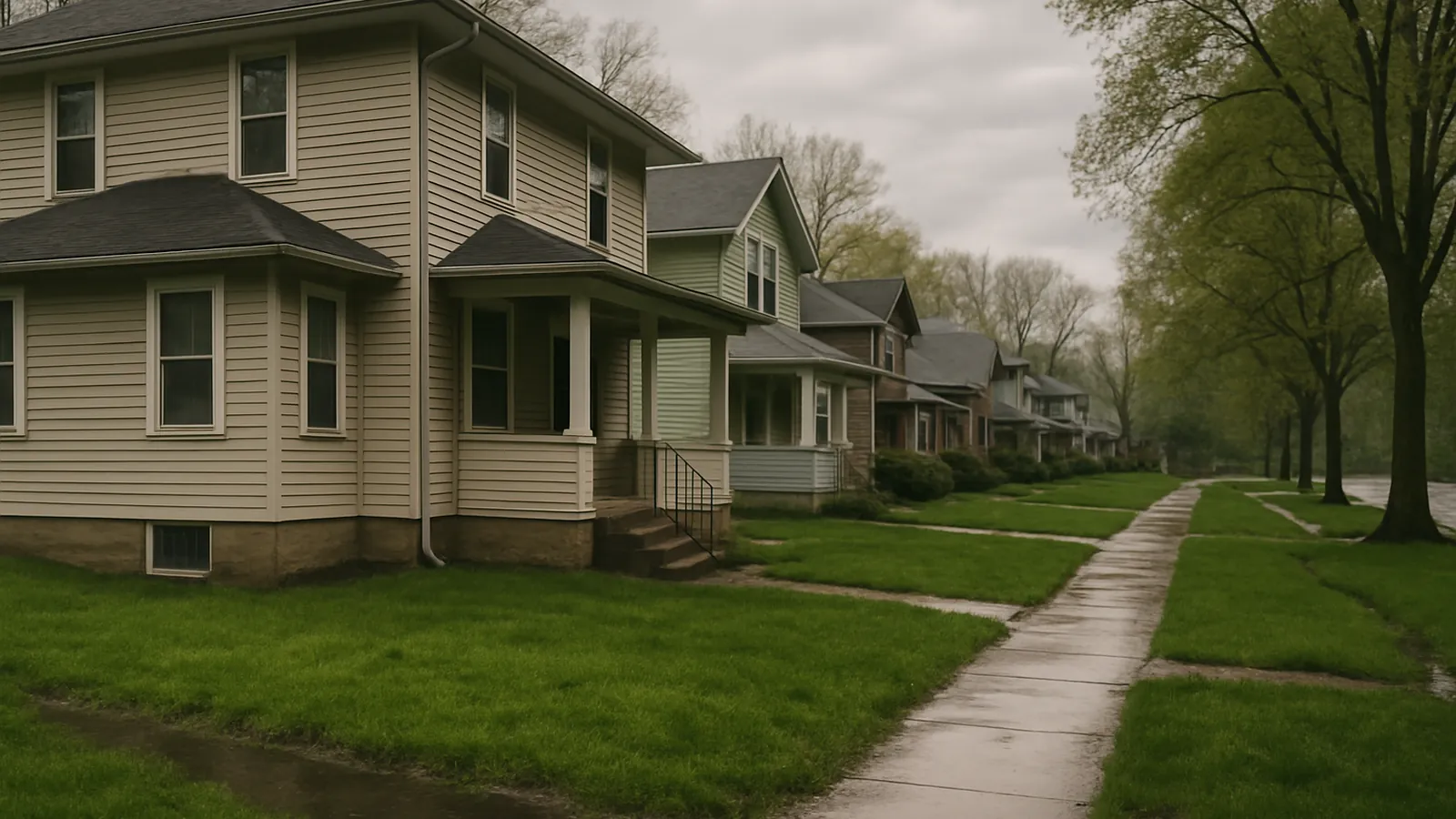
Foundation crack repair in Fort Wayne runs $400–$1,500 for most injections and reinforcement. Direction decides urgency: horizontal cracks in block walls signal lateral pressure from saturated till and get structural attention, while vertical cracks are usually shrinkage or settlement.
Here's how cracks get triaged in this market before anyone quotes material.
Direction tells you more than width does
In basement country the orientation of a crack is the first diagnostic, and it outranks how wide the crack is:
- Horizontal, partway up a block wall — lateral soil pressure. The serious category here, at any width. Usually paired with visible bowing, and it belongs on the bowing wall track.
- Stair-step through mortar joints — differential settlement below, tracking a footing that moved
- Vertical, in a poured wall — most often shrinkage from the original cure; common, and a leak problem rather than a structural one
- Diagonal from a window or door corner — stress concentration at an opening, from settlement or from wall movement
The free test costs a pencil: mark both ends, date it, photograph it, and check after the spring thaw and again in late winter. Northeast Indiana provides both extremes on schedule, and a crack that widens across a freeze cycle has told you the load is still running.
Block walls and poured walls leak differently
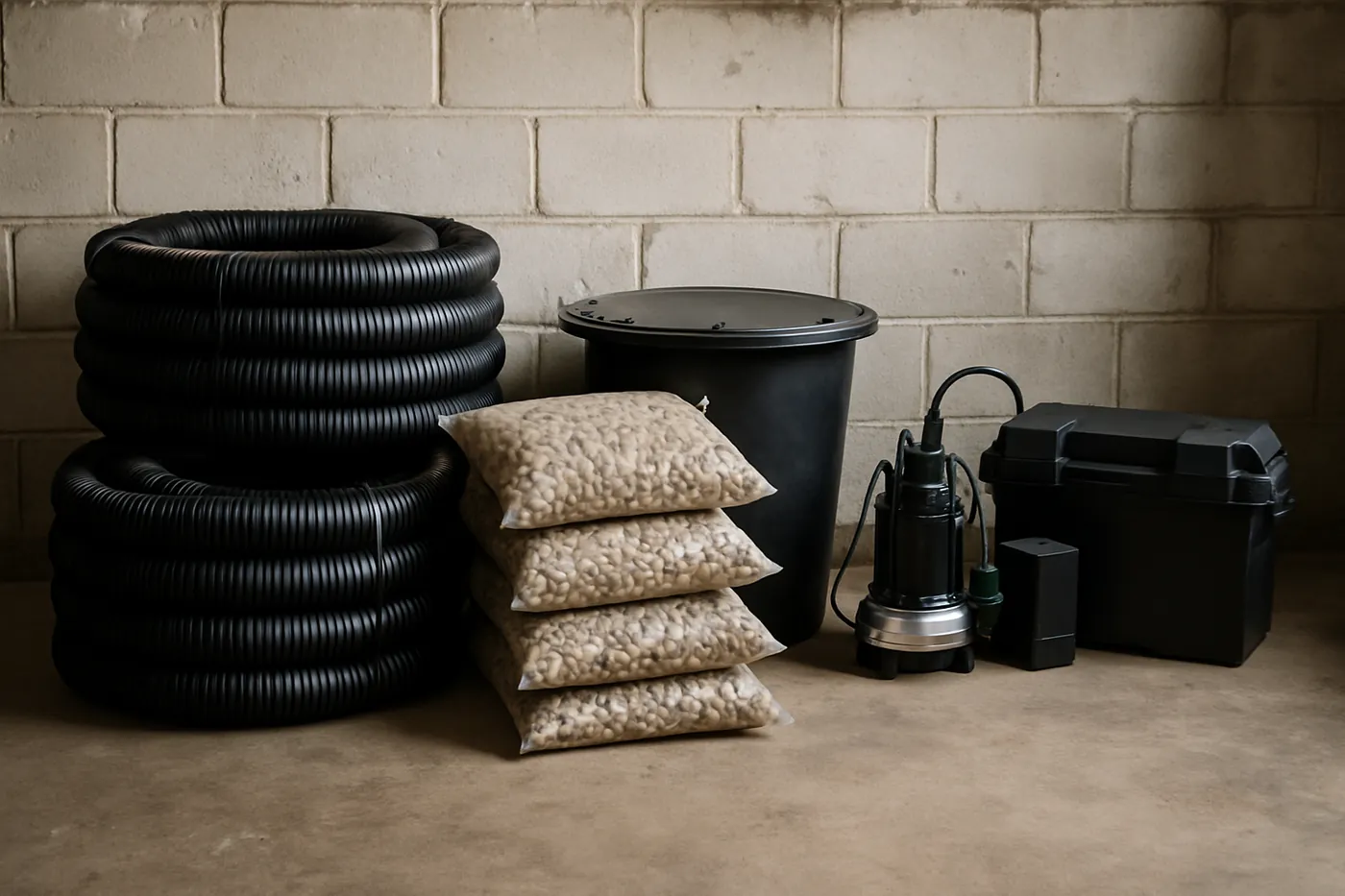
This distinction saves Fort Wayne homeowners real money. A poured concrete wall leaks at the crack, so injecting the crack under pressure — filling the full wall thickness — usually ends it permanently. A block wall is hollow: water enters the cores from the soil side, travels through them, and exits wherever it finds a path. Injecting the visible crack in a block wall commonly relocates the leak rather than stopping it, which is why block basements that weep are a drainage job, not an injection job.
Any contractor who quotes injection for a leaking block wall without discussing that is either inexperienced with this housing stock or counting on you not noticing until after the check clears.
Material follows the diagnosis
- Polyurethane injection — flexible, expands on contact with water, the standard for an active leak in a poured wall
- Structural epoxy — rigid load transfer, once the movement causing the crack is corrected
- Carbon fiber staples — across cracks with a documented widening history
- Mortar repointing — restores brick and sheds water after the structure below is stable
We quote the cause next to the crack
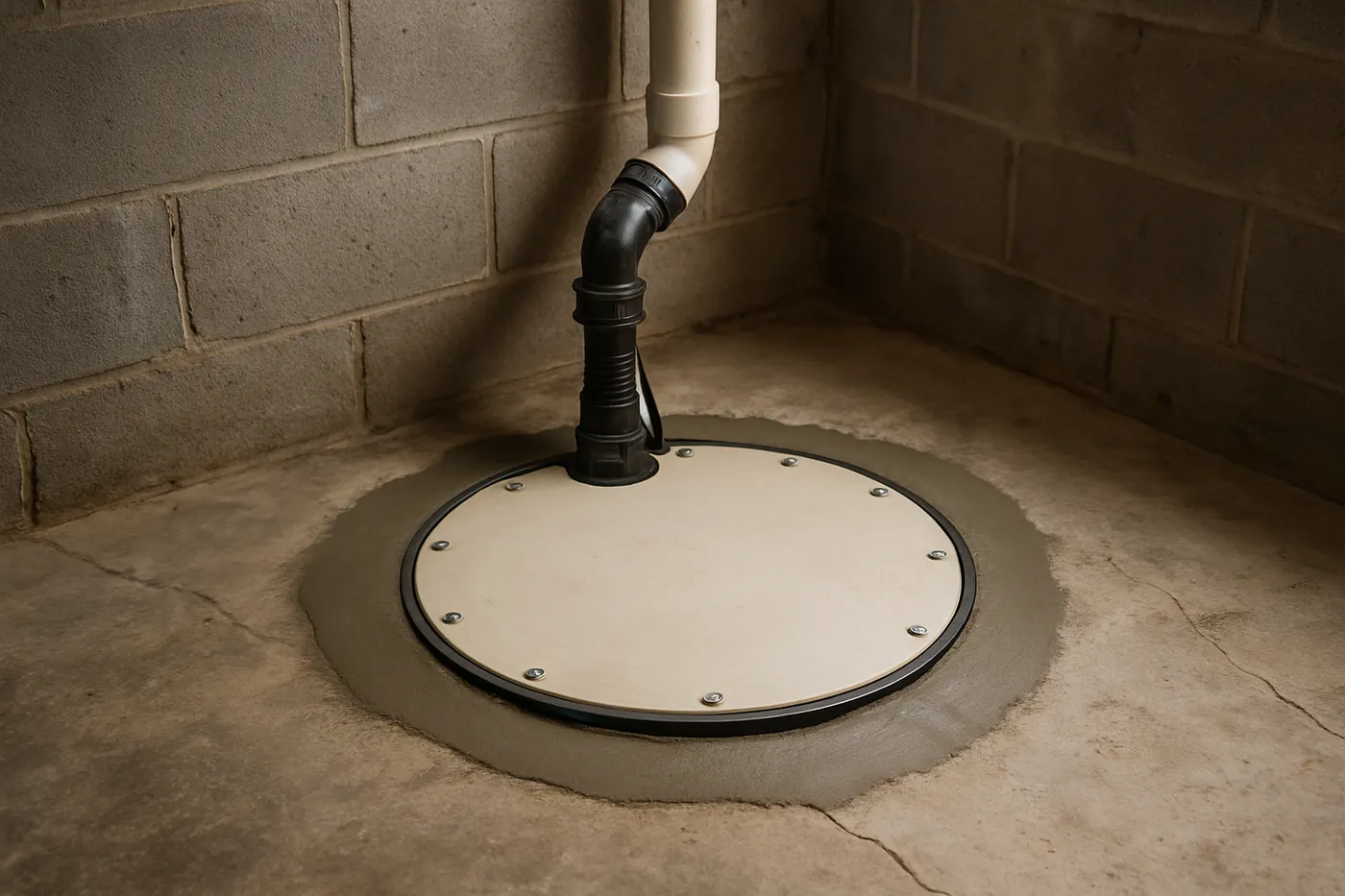
Sealing is cheap. Sealing the same crack three winters running isn't. Every crack scope names what we believe is driving it — hydrostatic pressure, settlement, or ordinary shrinkage — and prices that separately, so you can see whether you're buying a repair or a patch on an ongoing problem.
What is the right fix for this kind of crack?
Fort Wayne cracks have a calendar. Frost drives deep here, water expands as it freezes, and a basement wall takes that push every winter — so the crack that grew in February tells a different story from the one that appeared in a wet June.
| Option | What it does | How it plays out here |
|---|---|---|
| Epoxy fill | Bonds a poured wall back into one piece | Right for poured walls once the frost cycle that caused the crack is addressed |
| Urethane seal | Flexible fill that stops water in a live crack | The common case — till holds water at the wall and a live crack lets it through |
| Carbon fiber | Restrains a wall that is bowing or stepping | The answer for walls the frost push has started to bow inward |
| Support first | Underpinning where the crack is only the symptom | Where the footing itself has moved in saturated till, seal nothing until it is supported |
A crack injected against a wall that still freezes wet will be back. Drainage and frost protection are part of the crack repair here, not extras.
Crack questions, straight answers
Which cracks actually matter?
Direction first. Horizontal cracks in a block wall indicate lateral pressure and are the serious category here regardless of width. Vertical and diagonal cracks are usually settlement or shrinkage and are judged on width and whether they move. Any crack actively passing water gets sealed whether or not it's structural.
Can I check whether it's moving myself?
You can check whether it's moving yourself, and it's free. Mark both ends of the crack with a pencil line, write the date beside it, and photograph it. Check after the spring thaw and again in late winter — those are the two extremes on this ground. A crack that widens across a freeze cycle is telling you the load is active.
Will crack injection stop the leak permanently?
In a poured wall, usually yes — polyurethane injected under pressure fills the full thickness and stays flexible enough to tolerate minor movement. In a block wall it's different: water is traveling through the cores, so injecting the visible crack often just moves the leak. Block walls that leak generally need drainage, not injection.
Epoxy or polyurethane?
Polyurethane for water, epoxy for structure. Polyurethane stays flexible, expands on contact with moisture, and is the right choice for an actively leaking crack. Epoxy is rigid and restores load transfer across the crack, specified where an engineer wants it and where the movement causing the crack has already been corrected.
Get a free Fort Wayne foundation evaluation
Tell us what the basement is doing — water at the cove joint, a wall bowing inward, a horizontal crack in block, floors going out of level — and we’ll schedule an evaluation with photos, wall measurements, and floor elevations. We reply the same business day.