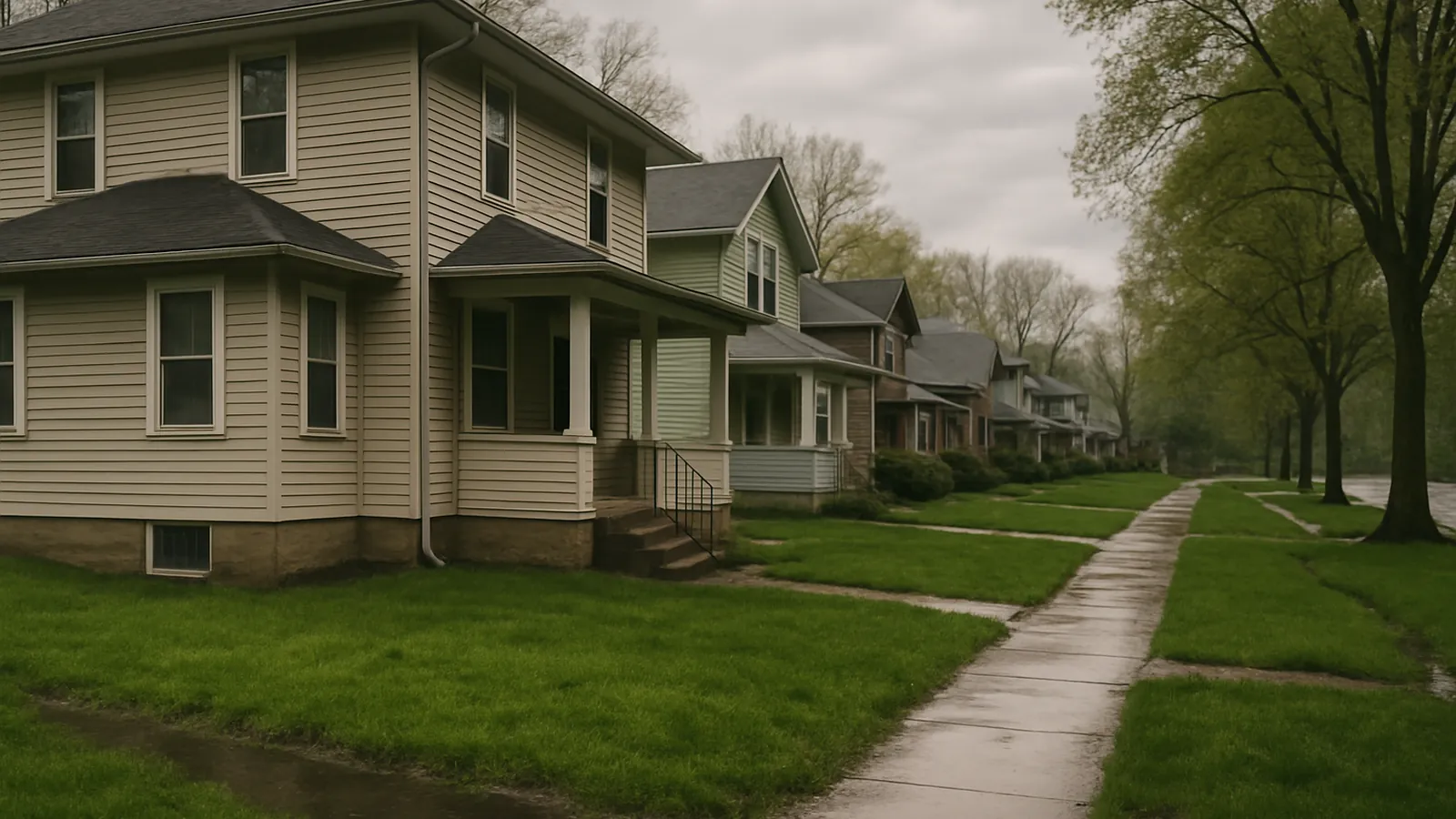
Most Decatur foundation work lands between $2,500 and $15,000, set by how much of the basement takes water, wall deflection, and whether piering is needed. Dense glacial till holds water against foundations here rather than draining it. The evaluation is free.
Upstream on the St. Marys
Decatur sits on the St. Marys River, which runs north from here to meet the St. Joseph in Fort Wayne and form the Maumee. Being on the river corridor upstream carries the usual consequence: a water table closer to the surface than on the surrounding uplands, and seasonal variation that tracks the river rather than just the rainfall.
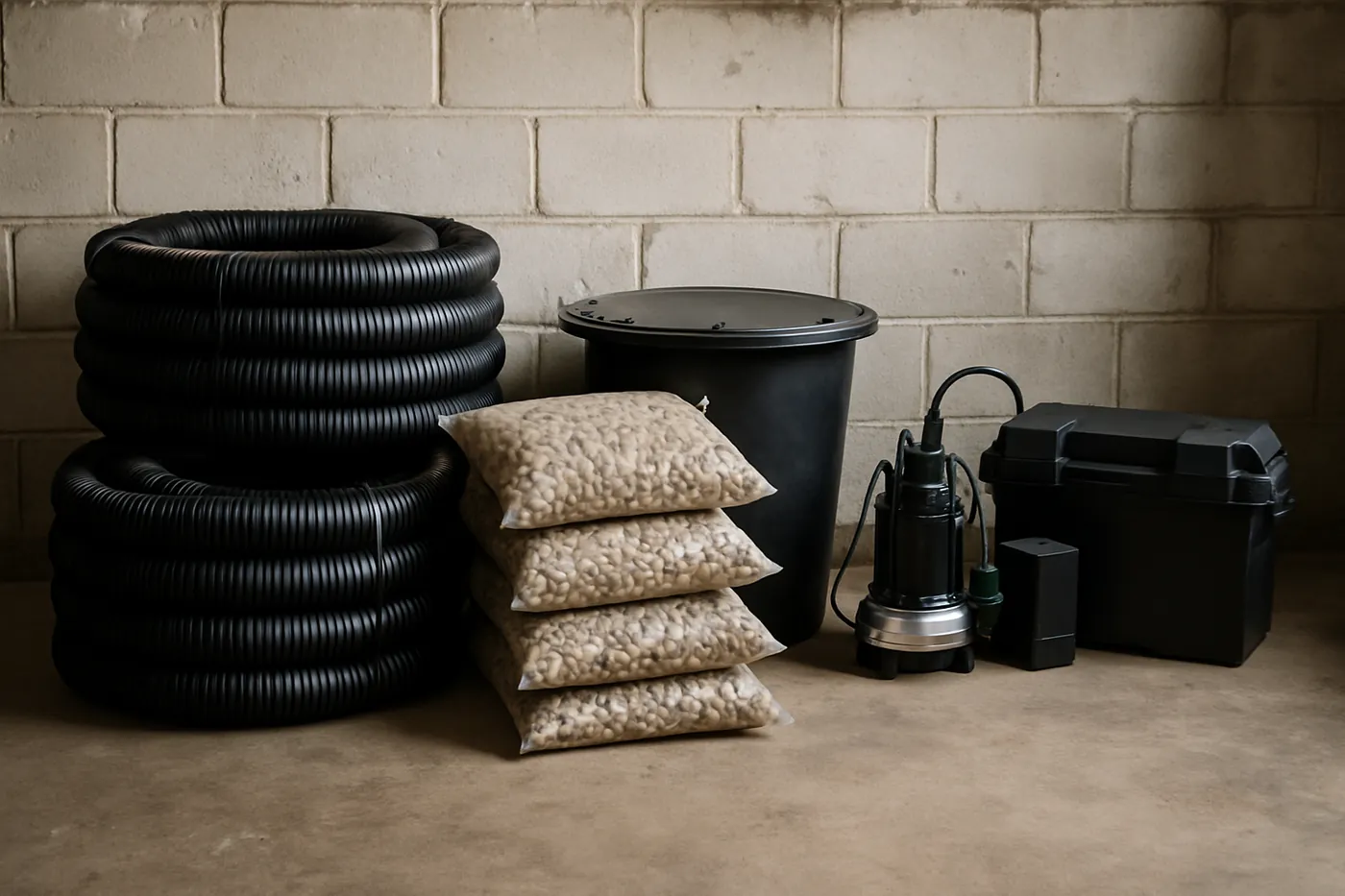
Basements along that corridor commonly show the groundwater signature rather than the storm-water one — seepage that appears without a storm to blame, a sump that cycles on a rhythm all its own through spring, dampness that never quite resolves in the wettest weeks of the year. That's a different problem than a downspout dumping at a corner, and it's diagnosed by when the water arrives as much as by where. Systems here are specified for sustained duty and backed up, because a pump handling groundwater is working every week, not occasionally.
Farm-country ground and older building stock
Adams County is working agricultural land, and much of it is drained land — the same tile networks that made this country farmable still run beneath properties that are now residential. Where a house sits on or near an old tile run, that line can deliver water toward a foundation as readily as away from it, and a century-old tile fails silently. Decatur's older buildings add the second half of the picture: stone and early block foundations that predate any drainage expectation, which get preservation-grade treatment — probe first, keep what's sound, manage the water — rather than a modern-code assumption that they need replacing.
Asked in Decatur
My basement seeps when there hasn't been rain. What causes that?
Groundwater rather than storm water. Along the St. Marys corridor the water table sits close enough to the surface that seepage tracks the season and the river rather than the last storm. When water arrives is as diagnostic as where — and it points toward sustained-duty drainage rather than a surface fix.
How is a groundwater system different from a normal one?
It's specified for continuous duty. A pump handling groundwater runs weekly through spring, not occasionally after storms, so basin sizing, pump selection, and battery backup all matter more. The drainage layout is similar; the components and the redundancy are not.
Does old farm drainage tile affect houses in Adams County?
It can. Much of this county is drained land, and those networks still run beneath property that's now residential. A tile line near a house can deliver water toward the foundation as easily as away, and century-old tile fails silently — so we ask about it on every evaluation out here.
Can our older stone foundation be saved?
Almost certainly. These foundations predate any expectation of basement drainage, so what looks like failure is usually a building doing exactly what it was built to do without the water management we'd add today. We probe and keep what's sound rather than assuming age means replacement.
What happens after you call
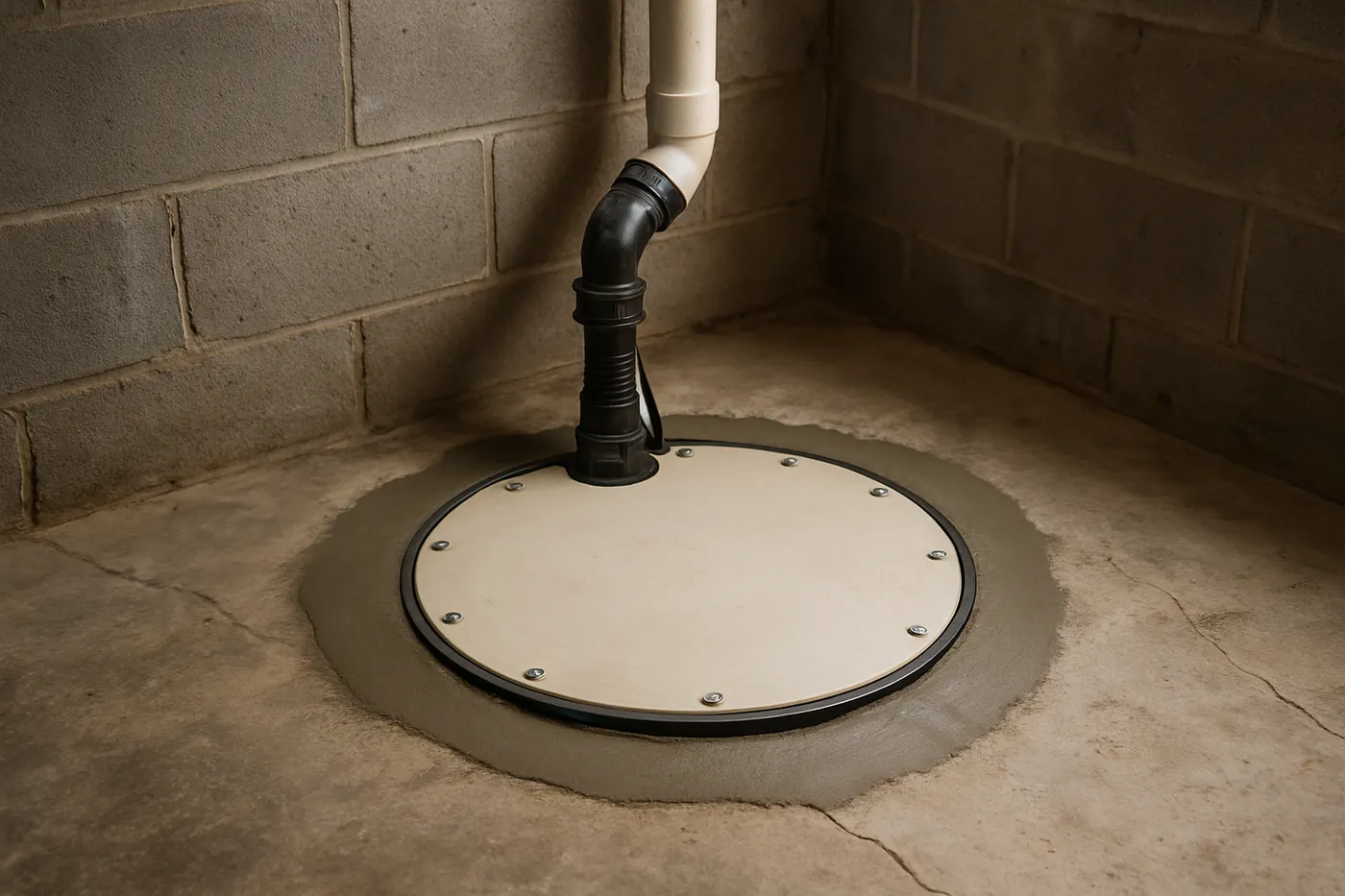
We measure Decatur houses before pricing them: wall plumb, crack widths, floor elevations, the sump and its discharge, and the water path outside. You get a written scope with fixed line prices — and an honest "watch it" when that's what the numbers say. See the cost guide or the full service list.
Get a free Fort Wayne foundation evaluation
Tell us what the basement is doing — water at the cove joint, a wall bowing inward, a horizontal crack in block, floors going out of level — and we’ll schedule an evaluation with photos, wall measurements, and floor elevations. We reply the same business day.